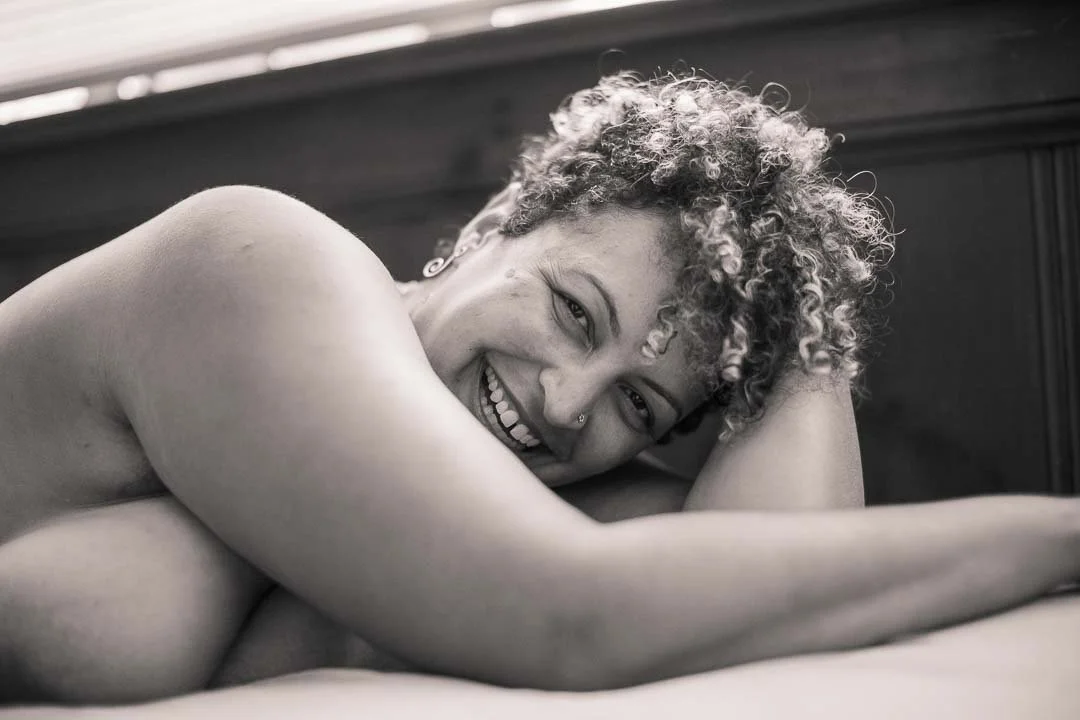
Is it flattering?
What art modeling taught me about who gets to decide you're beautiful
In my twenties, I decided to become a fine art model. If you have never done it, I have an industry secret for you: often, the artists and photographers don’t actually care if you are pretty. They care whether you can fold yourself into bonkers positions and hold them long enough that you will feel that one crick in your neck 15 years later. Bonus points for pubic hair. That is basically the whole job description.
I tried it out because I am a petty queen. You may have seen the line on t-shirts, “through spite, all things are possible,” and it should probably be on my tombstone. I wanted to give the finger to my own body image issues. I knew I had spent years working on my body image, doing the reading, auditing myself, still never feeling pretty enough. The the idea of standing in a room full of strangers with charcoal or cameras felt terrifying and also like the most direct way to call my own bluff.
So I did it. Over and over, with different photographers and different artists. I stretched into positions that made my hips file formal complaints and held them way past the point of comfort. And somewhere in all that holding, something unexpected took shape
I stopped wondering whether I looked pretty and quit scanning each image for whether it was flattering.
The picture became a work of art to me. When I started, the first thing I would notice was if I looked pretty. Later, I began to notice the lines my body made, often curves created by my fat rolls. I noticed the way the light fell on my form, the way the shadows created movement, and most importantly, the story the frame was telling. I stopped wondering if I looked pretty and started focusing on how we could create beautiful art. The most freeing thing for my body image turned out to be the moment I quit comparing soneone’s portrayal of me to the idea of me I carried in my head, and started treating the whole thing as a creative practice.
It took me years to understand why that shift was so powerful. The short version: I had stopped letting two small words run my life.
The two cruelest words in photography
Flattering and photogenic sound like compliments, right? But they contain a thousand hidden messages.
Let’s start with flattering. To flatter is to disguise. The word only makes sense if there is something about your body that ought to be softened or hidden, angles that slim, light that minimizes, or poses that lengthen. Built into the concept of flattering is the unspoken agreement that your actual shape, unposed and unedited, is a liability to be managed. So, when someone calls a photo "so flattering," there is a subtle message buried inside the kindness about the version of you it improved upon. You cannot fully relax into a frame whose stated goal is to make less of you visible.
Photogenic does something similar but is even sneakier! Photogenic pretends some faces are simply preferred by the camera, the way some people are tall. In practice, the features that earn the label track a narrow and specific set: symmetry, thinness, youth, light skin, a small nose, a particular jaw. Calling that "photogenic" launders a cultural preference into an objective fact about your appearance. Nobody discusses the standard, just the result of the assessment.
Both words play that same damn trick. A photograph is the product of focal length, lighting, distance, angle, frame, the photographer's choices, and whether you felt safe enough to let your face soften. When a picture does not land, "unflattering" and "unphotogenic" assign the failure to your body rather than to any of those factors. The blame lands on the person with the least control over the outcome.
Not "why do I look like that" or “do I look good,” though those usually show up first. The one that I highly recommend letting simmer is this: whose standard am I measuring myself against right now, and did I ever actually choose it?
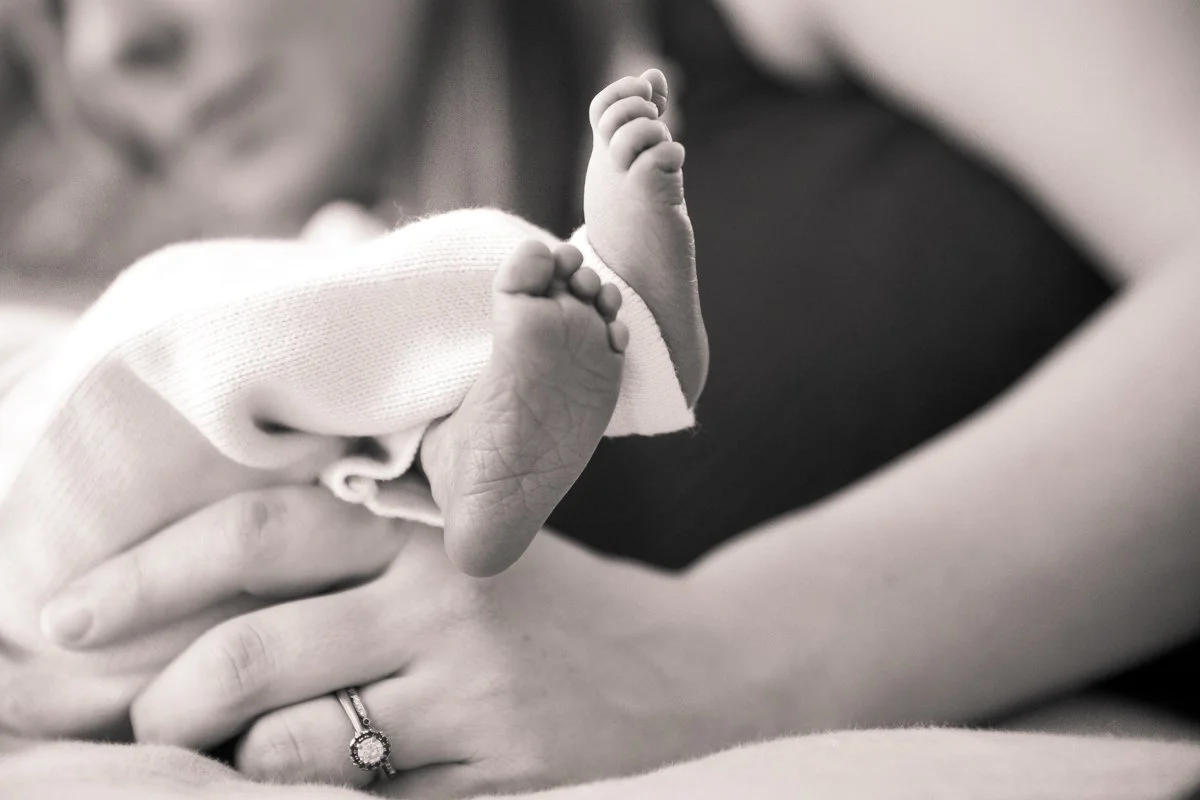
Who the hell handed you that ruler?
Here is what I learned getting naked for photographers who made dramatic black and white nudes.
The standard I had been measuring myself against was never mine.
Beauty standards shift constantly across time and place. Once upon a time, a suntan signaled poverty for white folks, later it signaled leisure. During certain times in the past, when food storage was scarce, western beauty standards celebrated fuller figures as indicators of wealth. Once food became cheaper, slender bodies became (and even more so lately in the age of GLPs, no shade). Talking about the racial implications of a trend for thinness as status is another blog post entirely. You’ll hear folks tell you that their desire to look a certain way is just personal taste, but, y’all… Any preference that swings with the economy is loaded with significance. What feels like an instinct that are certain belongs to your personal style is often a script you were handed so early it sounds like your own voice now.
In the culture that I’m writing from, that script is written in a Eurocentric font. The look that gets coded as "neutral," "clean," or "camera-ready" keeps landing on lighter skin, straighter hair, and thinner bodies. That is not your eye finding objective truth, that is centuries of classism, sexism, and racism parading around as beauty.
"men act, women appear" - John Berger, 1972
And of course, the labor of enforcing those norms fall unevenly, too. Women are trained from childhood to inspect every image of themselves and scrutinize it for any imperfection.
Laura Mulvey identified the camera's default vantage point as the male gaze. Naomi Wolf argued that beauty standards function as a kind of discipline, consuming time, money, and attention that might otherwise go toward a life (sidenote: I know she is coocoo bananas now but I read the Beauty Myth when I was 17-years-old and boy howdy, talk about a revelation. Annnyway.)
Photogenic and flattering are the tools that put all of that crap to work, installing a supervisor inside your own head to do the work of the patriarchy.
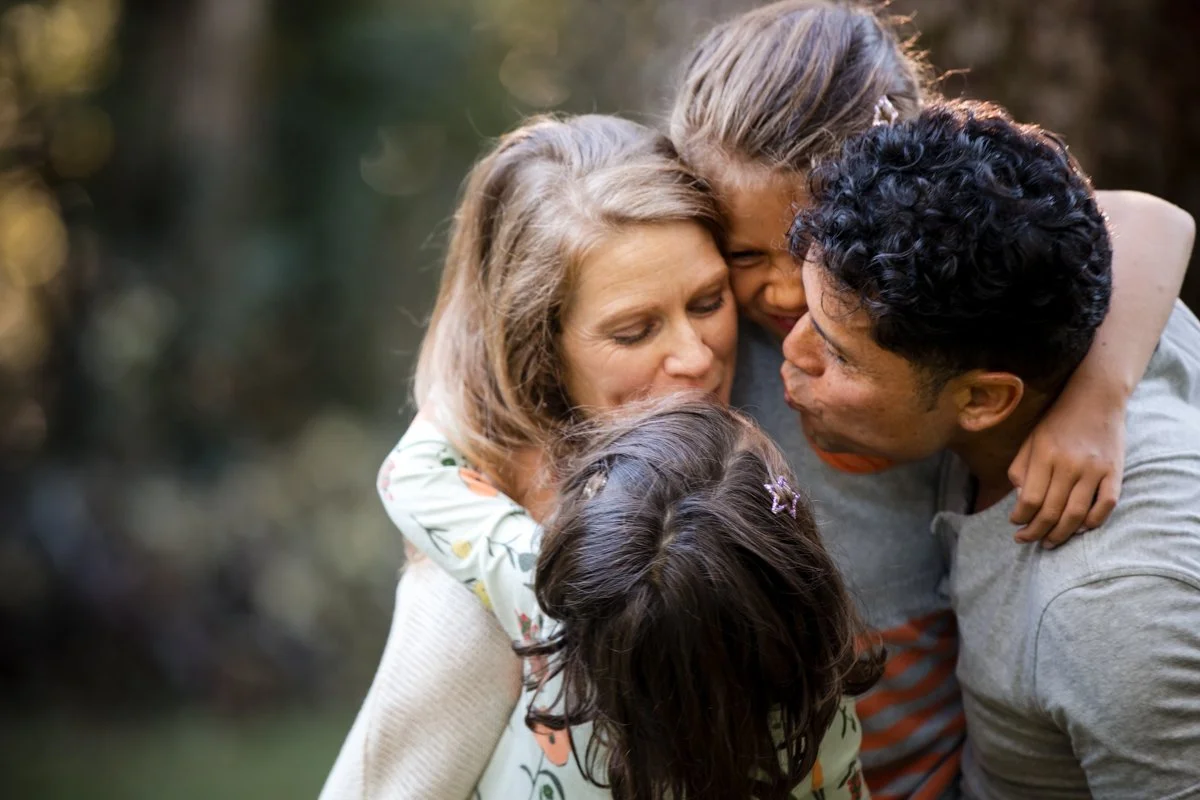
Wanting to be beautiful is not the problem
I want to be careful here, because the answer is not to stop caring how you look.
Our brains genuinely seek beauty. There is real pleasure in visual harmony. Some version of that brain wiring shows up across cultures and even in tiny infants. What the wiring does not specify is the details. It never tells you which skin tone, which body size, which age, which texture of hair counts as the good kind. The appetite for beauty is real. The menu is written by people who want to control you.
I am not the first to circle this. Nancy Etcoff, in Survival of the Prettiest, makes the case that the appetite is wired in and that humans come pre-loaded with a pull toward beauty. Naomi Wolf, in The Beauty Myth, traces how the content of that standard gets written and rewritten to keep women busy, anxious, and spending.
So wanting an image to reflect your sense of yourself is a completely natural expression of self. Liking what you see in a photo is a brilliant thing to want! The work is not to kill the desire for creative self-expression and positive self-regard. The work is to notice who wrote the standards you are reaching for, and whether the "you" doing the liking is actually you, or the supervisor reading over your shoulder. (real talk: often that inner critic speaks in the voice of the people who were supposed to be building us up, the ones most negatively affected by those same standards.)
Art modeling did not make me believe I was beautiful by societal standards. It did something even better. It helped me shift myself off of the pedestal where I was being measured and measuring myself, to the role of creative self-expression seeker. Rather than asking "did my body perform" I was able to consider "what is this picture holding, and is it true." Once that became the question, flattering had nothing left to base itself on.
Reclaim the authorship
So here is what I would ask you to sit with, whether or not you ever take your clothes off for a room of artists.
When you flinch at a photo of yourself, pause before you call your body the problem. Ask:
Who wrote the standard I just failed?
Does liking this image widen the door for who gets to feel beautiful, or does it narrow it again?
Would I still want to look this way if the penalty for looking otherwise disappeared?
You are allowed to want to feel beautiful. You are equally allowed to throw out the ruler you were handed and pick up the pen.
The writer Sonya Renee Taylor puts the foundation of it plainly: the body is not an apology.
Decide for yourself what your body is doing in the frame and what story it is telling. You are the author of your body’s story.
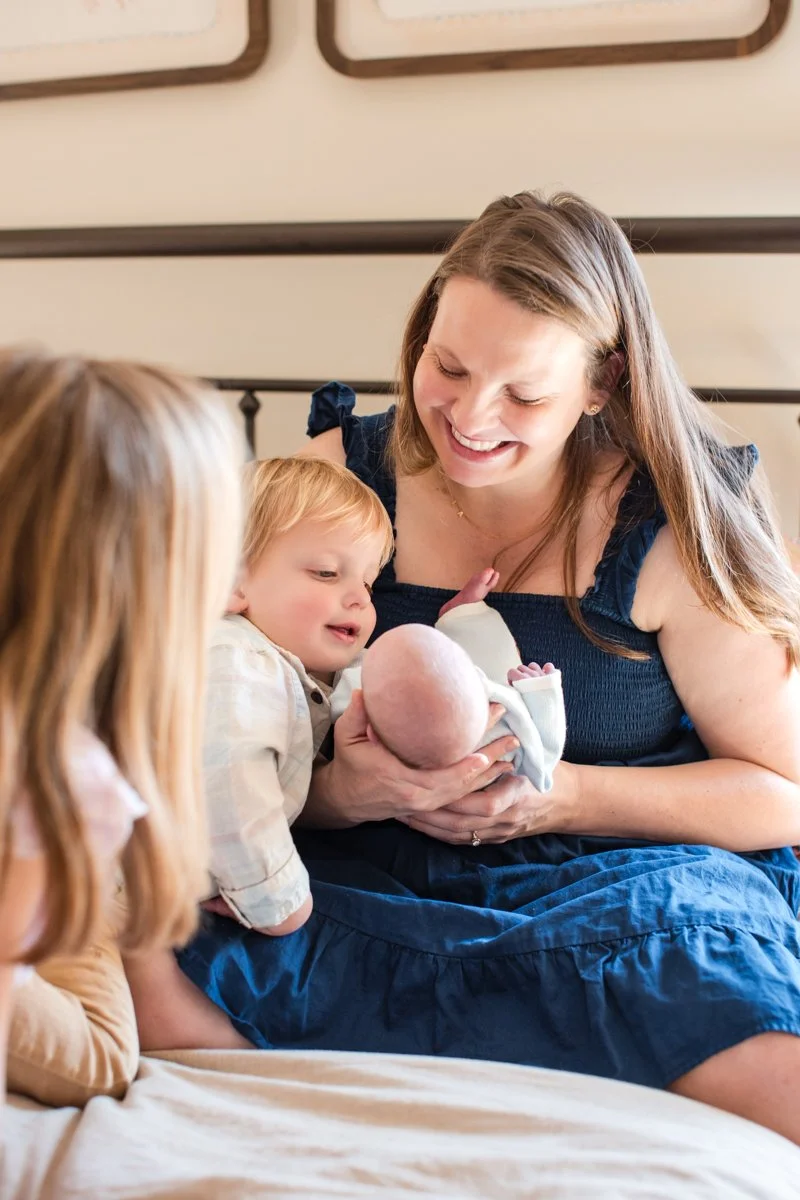
This is one of my goals of every session (including family sessions). I will not host a session where I manage your angles until you are palatable. We are going to co-create a session where you show up as you are. I use my camera to witness this with care. My goal is not to flatter you, my goal is to tell the truth.
📷 Photo idea: A portrait of a parent looking directly into the lens, soft and steady, not performing. Simple background, honest light. Alt text: "Authentic body positive portrait photography in the Triangle area for parents on a healing journey."
Ready to Step Into the Frame as You Actually Are?
If any of this landed for you, I would love to be the photographer in the room.
My sessions at Little Wild Light Photography are built around emotional safety, real moments, and images that reflect who you actually are - not a more manageable version of you. Whether we photograph your family at home in the beautiful mess of a Tuesday morning, or we create space for a portrait that feels like an exhale, the work starts from the same place: you are enough, exactly as you arrived.
You can learn more and reach out at www.littlewildlight.com.
The ruler was never yours. You get to put it down now.